FARMGATEALBERTA
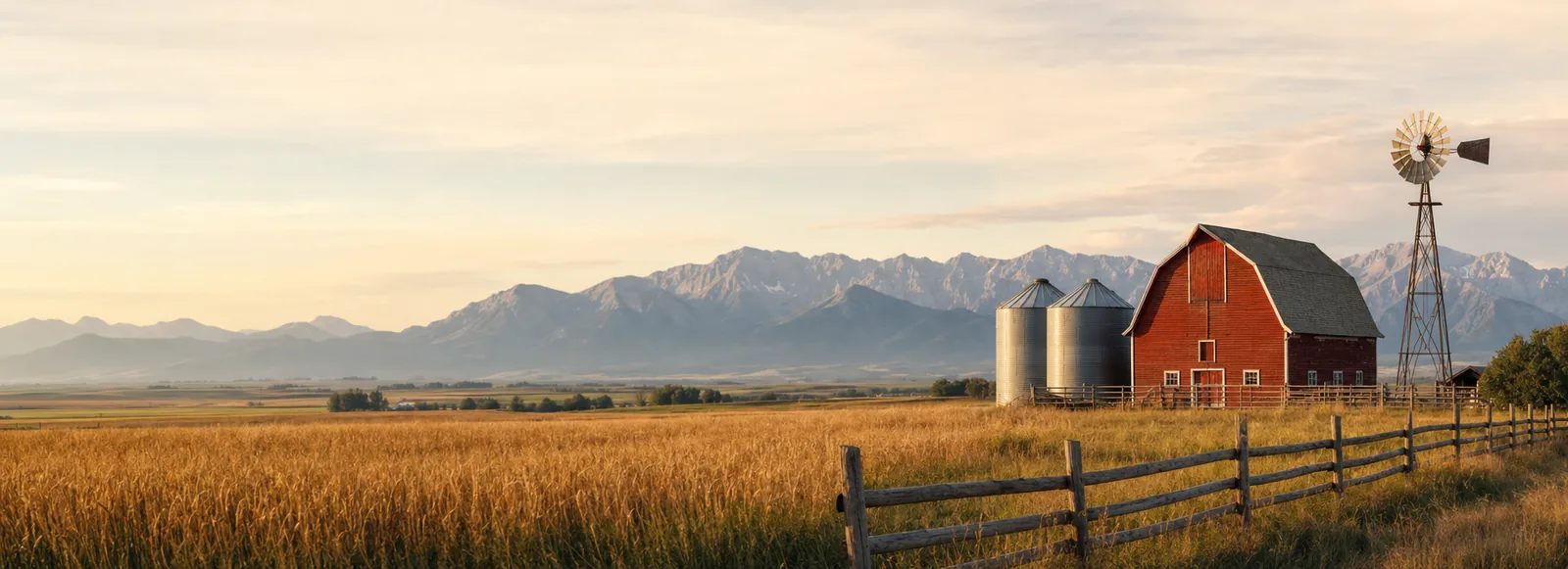
A red Alberta barn with grain silos and a windmill in a golden wheat field with the Rocky Mountains behind

Ask FarmGate Alberta

Plain-language answers for Alberta farmers, ranchers, and rural communities.

Plain-language answersfrom trusted, non-partisan information.
Independent and objectiveWe don't take sides—we provide facts.
Rooted in rural AlbertaCreated for farmers, ranchers and rural communities.
Updated regularlyCurrent, reliable, and farmer-focused.
Proudly AlbertaSupporting informed decisions for our future.

Frequently Asked Questions

1. What is the October 2026 referendum about?

Albertans will be asked whether the province should pursue a sovereign future—gaining the right to negotiate its own independence agreement with Canada. A "Yes" vote is a mandate to begin negotiations, not automatic separation.

2. Why is the referendum important for farmers and rural communities?

The outcome could shape taxes, input costs, water and land policy, market access, and the rural services that farms and communities depend on.

3. Who can vote in the October 2026 referendum?

Canadian citizens 18 or older who ordinarily reside in Alberta and are registered to vote. Check your registration at elections.ab.ca.

4. When and how can I vote?

Referendum day is in October 2026, with advance voting available beforehand. Elections Alberta will publish voting locations, dates, and registration details.

5. How will this affect farm taxes?

Nothing changes automatically. Any tax changes would depend on future negotiations and legislation following the vote.

6. How could this impact farm input costs and equipment?

Input costs are tied to trade, energy, and regulatory policy, which could shift over time depending on the path taken after the referendum.

7. What about rural roads, bridges, and infrastructure?

Local infrastructure investment depends on provincial priorities and funding, which the referendum outcome could influence over the longer term.

8. What happens to water management if Alberta separates?

Water allocation and management would continue under provincial rules. Any changes would be negotiated and communicated well in advance.

9. Will Alberta still have access to export markets?

Market access would be part of any future negotiations. Maintaining trade relationships is a key priority for Alberta producers.

10. What are the potential benefits and risks?

Supporters point to more local control over policy and costs; others raise concerns about uncertainty. FarmGate presents both sides with sourced facts.

11. Where can I find unbiased, non-partisan information?

FarmGate Alberta provides plain-language, fact-checked explainers alongside official Elections Alberta resources so you can decide for yourself.

View All FAQs

Top Questions Farmers Are Asking

  • What will this mean for my farm taxes?
  • How will input costs be affected?
  • Will export access change?
  • What happens to rural services?
  • Who can vote and how?
View all top questions

Topics We Can Help With

  • Referendum 2026
  • Farm Costs & Profitability
  • Water & Land Management
  • Rural Infrastructure & Services
  • Energy & Input Costs
  • Voting & Eligibility
Explore all topics

Recent Answers

  • How could this affect fuel and fertilizer costs?May 9, 2025
  • Will my rural water rights change after separation?May 7, 2025
  • Will I still be able to sell to U.S. markets?May 5, 2025
View all answers

Why Readers Trust FarmGate Alberta

  • Non-partisan and independent
  • Created by farmers, for farmers
  • Fact-checked and cited
  • Focused on rural Alberta
  • Your voice. Your future.
Learn more about us

Stay Informed. Stay Empowered.

Get the latest updates, analysis, and farmer-focused insights—delivered to your inbox.

No spam. Unsubscribe anytime.